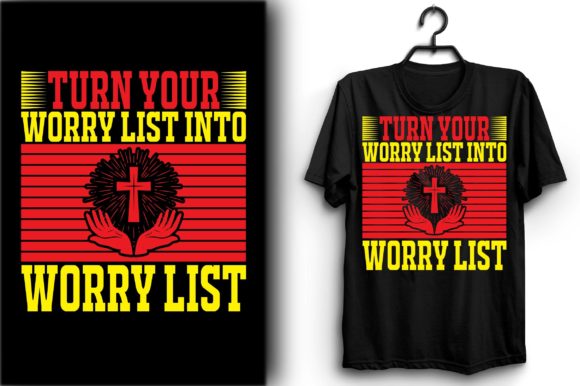
Turn Your Worry List into Worry List: Graphics & Print Templates
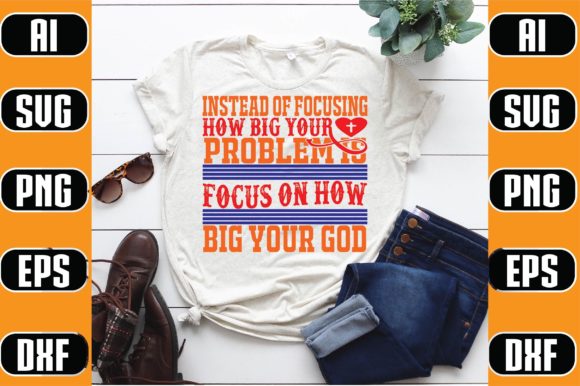
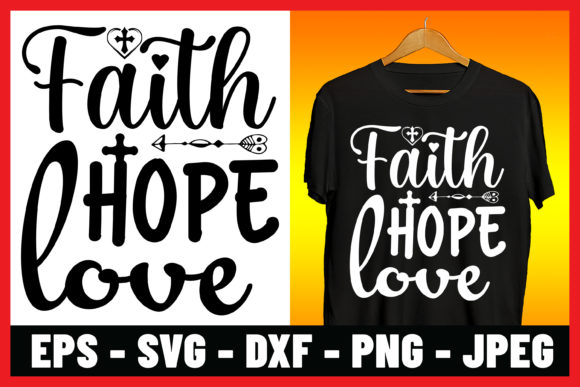
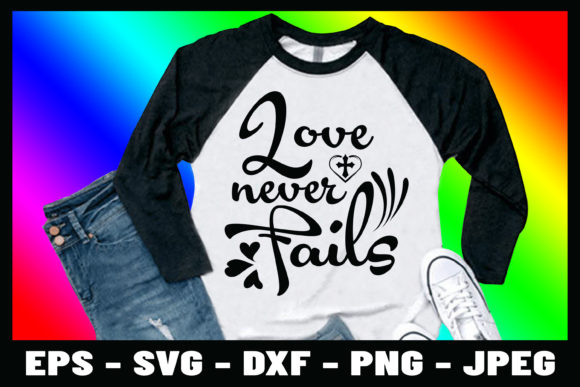
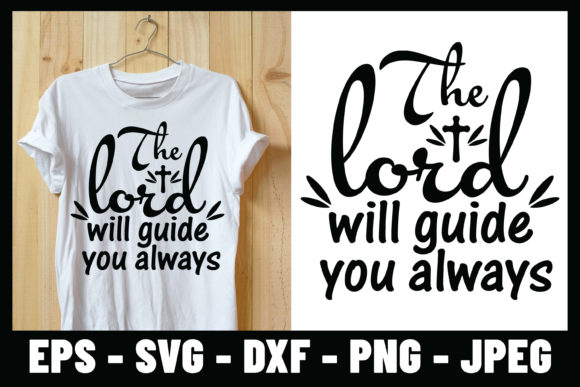
As a blog designer and digital publisher who has reviewed hundreds of graphic design assets over the past decade, I have learned to spot the difference between a decorative file and a truly usable editorial tool. When I first opened Turn Your Worry List into Worry List, I was immediately struck by its clean emotional tone and its unexpected versatility for real content publishing work. This is not a generic clip art collection. It is a thoughtful set of Christian t-shirt quotes designs that translates beautifully into blog graphics, website headers, and downloadable resources. The bundle includes 10 quote-based designs, each delivered in SVG, DXF, EPS, PNG, and AI formats. While the product description mentions possible uses for paper crafts, invitations, photos, and cards, I found its real strength lies in editorial design and digital publishing.
First Impressions and Editorial Mood
The visual mood of Turn Your Worry List into Worry List is warm, faith-centered, and gently modern. It does not feel overly decorative or feminine. Instead, it strikes a balance between a lifestyle-friendly aesthetic and a clean, readable typography style. The designs feel intentional and peaceful, which makes them ideal for content niches centered on personal growth, faith, mindset coaching, wellness, and Christian living. As a publisher, I immediately saw how these designs could support a consistent brand identity for a blog or small business. The emotional tone invites trust and reflection, two qualities that are essential for building reader loyalty in the content marketing space.
I tested the PNG files against a few editorial mockups, and the designs held up well at different sizes. The typography is clear enough to work as a focal point, yet the designs are not so busy that they compete with headline text. This is a critical factor for anyone creating blog graphics or social media graphics where the visual hierarchy must remain intact.
Real Publishing Workflow: From Blog to Pinterest to Lead Magnet
Let me walk you through a real scenario I tested with this asset. I was preparing a series of articles for a Christian lifestyle blog, and I needed consistent visuals for the featured images, Pinterest pins, and a downloadable lead magnet. I started by importing the PNG versions into Canva and Adobe Spark. The transparent backgrounds saved me hours of editing time, and the designs layered naturally over my brand's color palette.
For the website header of a blog post titled "Letting Go of Worry Through Faith," I used one of the quote designs as a background element. The result was a clean, professional-looking header that did not require any additional embellishment. For the Pinterest pin, I placed the same design on a vertical canvas and added a headline in a sans serif font. The contrast was strong enough to grab attention in a crowded feed. I also used one of the SVG files to create a custom digital guide cover for a free download. The design gave the guide a polished, premium feel without needing a graphic designer.
This is the kind of creative design asset that works across multiple touchpoints in a content workflow. Whether you are producing a newsletter header, a social media post, or a printable design for a workshop, the consistency of the visual system helps strengthen your brand identity over time.
Where the Asset Shines in Editorial and Content Work
I tested Turn Your Worry List into Worry List in several real publishing scenarios. Here is where it performed best:
- Blog featured images: The designs work as central art or as subtle background textures. They add a faith-based tone without overwhelming the headline.
- Pinterest pins: The clean typography and transparent backgrounds make it easy to layer text overlays for Pinterest-specific formatting.
- Article headers: The designs can be used as full-width header art for posts about faith, prayer, gratitude, or mental health.
- Lead magnets and digital guides: The PNG and AI files are print-ready quality, so they work well for eBook covers, worksheets, and downloadable resources.
- Newsletter graphics: The designs scale down nicely for email headers and social media previews without losing readability.
- Category thumbnails: If you run a multi-topic blog, these designs can visually differentiate your faith-based or wellness sections.
- Media kits: The professional look of the designs adds credibility to a media kit or affiliate page.
- Canva templates: The PNG files import seamlessly into Canva, making this a flexible asset for content creators who rely on drag-and-drop editing.
For affiliate marketing content, the designs help create a polished, trustworthy visual environment. Readers are more likely to engage with a resource that looks professionally designed, and this asset delivers that impression without requiring advanced design skills.
How the Design Supports Content Performance
From a publisher's perspective, the visual quality of a graphic design asset directly affects content performance. I have seen this repeatedly in my own editorial work. A strong first impression from a well-designed graphic can improve click-through rates, reduce bounce rates, and increase the time readers spend on a page. Turn Your Worry List into Worry List supports these outcomes in several specific ways:
- Stronger first impression: The designs are visually cohesive and emotionally resonant, so they draw readers in immediately.
- Clearer visual hierarchy: The typography is legible, and the designs leave room for headline text, captions, and call-to-action elements.
- Better click-through potential: Pinterest pins and social media graphics created with these designs stand out in feeds due to their clean, centered composition.
- More consistent branding: Using the same design style across blog posts, newsletters, and lead magnets creates a unified brand experience.
- Improved reader trust: Professional-looking visuals signal that the content is reliable and well-researched.
- Stronger visual identity: Over time, readers will associate the warm, faith-centered aesthetic with your brand.
For content creators who rely on digital products and printable designs as revenue streams, this asset can also serve as a foundation for creating paid resources such as prayer journals, scripture cards, or guided worksheets.
Where to Use This Asset with Caution
No design asset is universal, and Turn Your Worry List into Worry List works best in specific contexts. I recommend using it carefully in the following situations:
- Small mobile thumbnails: The typography is readable, but on very small screens, the text may become too small to read clearly. Test the designs on mobile before publishing.
- Text-heavy blog images: If you plan to layer multiple lines of headline text over the design, the visual hierarchy may become cluttered. Use the design as a background or accent instead.
- Low-contrast backgrounds: The designs look best on light or neutral backgrounds. Avoid placing them on busy or patterned backgrounds that compete with the typography.
- Serious professional niches: If your content is focused on corporate topics, finance, or legal advice, the faith-centered aesthetic may feel misaligned with your brand.
- Minimal visual systems: If your website uses a very stripped-down, minimalist design language, the decorative nature of these designs may feel out of place.
As with any commercial design asset, always test the files in your actual layout before committing to a full editorial run. A quick preview inside a real blog post can save you from discovering alignment or contrast issues after publishing.
Practical Publisher Notes for Real Workflow Integration
After spending several hours working with this asset, I compiled a list of practical tips for anyone planning to use it in a publishing workflow:
- Test on desktop and mobile screens: The PNG versions look crisp on retina displays, but always check how the design scales on smaller screens.
- Preview it as a thumbnail: Resize the design to 150x150 pixels and check if the message is still legible. This is critical for category thumbnails and archive pages.
- Test with headline text: Place a headline in a serif font, a sans serif font, a script font, a handwritten font, and a display font next to the design. See which combination creates the best visual balance.
- Check contrast and readability: Convert the design to black and white to ensure the typography remains readable without color cues.
- Review file size for web performance: The PNG files are high-resolution, but they may need compression for web use. Use an image optimizer to keep file sizes under 200 KB for featured images.
- Confirm commercial licensing: Before using the designs on a monetized website, affiliate page, or paid product, verify that the license covers commercial use. This is especially important for affiliate marketing content and digital products.
I also recommend experimenting with the SVG and AI files if you have access to vector editing software. The scalability of vector formats makes them ideal for large-format graphics such as banner ads, hero images, and printed materials.
Final Thoughts on This Design Asset for Content Publishers
Turn Your Worry List into Worry List is a versatile graphic design asset that bridges the gap between decorative art and editorial utility. It is not a one-size-fits-all solution, but for content creators in the faith, wellness, and personal growth niches, it offers a polished, professional look that can elevate blog graphics, social media visuals, and downloadable resources. The bundle includes 10 quote designs, each available in SVG, DXF, EPS, PNG, and AI formats, which gives publishers flexibility across platforms and print projects. The possible uses extend beyond paper crafts and invitations into the full spectrum of digital publishing work.
If you are a small business owner, creative entrepreneur, or digital marketer looking for a design asset that supports a consistent, trustworthy brand presence, this set is worth considering. It delivers the kind of visual quality that helps content stand out in a crowded media landscape, and it does so without requiring a steep learning curve. Whether you are building a lead magnet, designing a newsletter banner, or creating a series of Pinterest pins for your affiliate content, Turn Your Worry List into Worry List provides a strong foundation for professional-looking editorial design.