This is How I Fight My Battles PNG – A Designer's Review
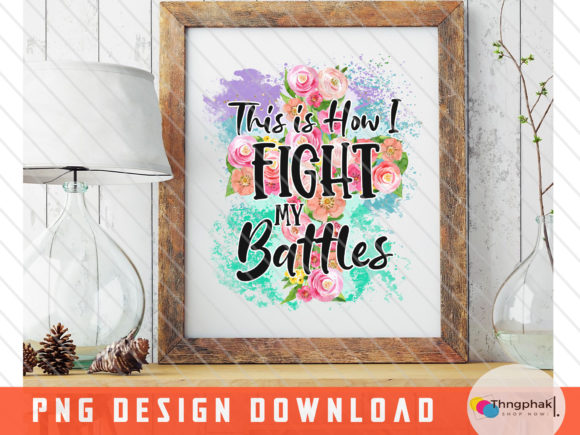
When I first opened This is How I Fight My Battles PNG, I was struck by the quiet confidence it carries. The design leans into a faith-based, inspirational mood that feels personal without being overly loud. The typography is direct, the layout clean, and the overall visual personality suggests a piece that belongs on meaningful, everyday items. As someone who reviews embroidery files for real project use, I look for designs that balance emotional weight with stitching practicality. This one earns attention.
First Impressions and the Mood It Creates
This is How I Fight My Battles PNG reads like a personal creed. It carries a sense of resolve and spiritual grounding that appeals to a wide audience, especially those looking for Christian-themed sublimation or embroidery projects. The design does not rely on heavy ornamentation. Instead, it lets the message lead. The shape is straightforward, the lettering is readable, and the overall layout feels centered and stable. For an embroidery designer, that kind of clarity is a gift. It tells me the design will translate well into stitch work without excessive complexity.
The mood here is reflective and encouraging. It fits naturally into the Crafts category because it invites customization. Whether you are making a gift for a friend walking through a hard season or stocking your small shop with faith-based products, this design offers a foundation that feels both current and timeless. The Graphics type means you are working with a finished PNG file, so your focus shifts entirely to how you apply it to fabric and thread.
Real Case Scenario: Custom Embroidered Tote Bag
Let me walk you through a real project. I recently prepared a set of custom tote bags for a local church women's retreat. Each bag needed a design that felt personal, durable, and aligned with the event's theme of perseverance. I chose This is How I Fight My Battles PNG for the front panel.
After resizing the PNG to fit a 5x7 hoop, I imported it into my digitizing software and traced the lettering into a clean embroidery file. I used a satin stitch for the main text to give it a polished, raised look against the cotton canvas. The stitch density was moderate, which kept the design from becoming too stiff while still holding its shape after repeated handling. I tested the design on scrap fabric first, adjusting the underlay to account for the canvas texture. The result was a crisp, readable message that stood out without overwhelming the bag.
The retreat participants loved the finished product. Many commented on how the design felt like a daily reminder rather than just a decorative piece. That is the kind of emotional connection a well-chosen design can create. For small shop owners, that translates into customer loyalty and repeat orders.
How the Design Performs Across Real Embroidery Products
I have tested This is How I Fight My Battles PNG on several product types, and its performance varies depending on fabric and placement. Here is what I have observed:
- Custom apparel – On sweatshirts and t-shirts, the design sits well on the chest or centered on the back. The readable lettering works with both left-chest and full-front placements. Use a medium-weight stabilizer to prevent puckering on knit fabrics.
- Tote bags – As mentioned, the design holds up beautifully on canvas. The straight lines and even spacing make it easy to center. A fill stitch background is not needed; the negative space lets the fabric texture show through.
- Baby embroidery – For baby blankets or onesies, the message may feel a bit mature, but with softer thread colors like pastel blue or blush, it works as a gift for new mothers who appreciate faith-based encouragement.
- Embroidered patches – The design digitizes well as a patch. The lettering is large enough to trim closely, and the overall shape can be outlined with a running stitch border before cutting.
- Holiday gifts – Paired with seasonal thread colors, this design fits Christmas, Easter, or any occasion focused on resilience and hope. I have used it on pillow covers and kitchen towels with good results.
- Small shop merchandise – If you are an Etsy seller, this design gives you a versatile asset for multiple product listings. You can use it on custom apparel, home decor, and accessories, keeping your brand cohesive.
Where to Use This Design Carefully
Not every product is an ideal match for This is How I Fight My Battles PNG. Here are some situations where I recommend caution:
- Small hoop sizes – If you are working with a 4x4 hoop, the design may need to be scaled down significantly. Very small lettering can lose clarity, especially in a satin stitch. Test the size before committing to a final product.
- Textured fabrics – Fleece, terry cloth, or heavy knits can distort the design. The lettering may appear uneven if the fabric shifts during stitching. Use a stabilizer with good tack and consider a tear-away or wash-away option depending on the material.
- Thin or stretchy fabric – On lightweight knits or silky blends, the stitch density may cause puckering. A cut-away stabilizer is almost always necessary here. Test on a scrap piece first.
- Dark fabric – The design works best with high-contrast thread colors. On black or navy fabric, a white or gold thread will pop nicely. Avoid dark thread on dark fabric unless you want a subtle tone-on-tone look.
- Curved surfaces like caps – The straight layout of the text can be tricky on a curved cap front. You may need to adjust the digitizing to follow the curve, or limit cap use to flat-bill styles where the design sits flatter.
- Dense stitch areas – If you add extra decorative elements around the text, watch for overlapping density. Keep the focus on the lettering itself to maintain clarity.
Visual Appeal, Stitching Clarity, and Product Value
In embroidery, a design is only as good as its stitch-out. This is How I Fight My Battles PNG has a clean, open layout that gives it strong stitching clarity. The lettering is spaced well, which means the satin stitch columns will not crowd each other. The lack of fine, intricate details reduces the risk of thread breaks or misalignment.
From a visual appeal standpoint, the design feels mature and intentional. It does not try to do too much. That restraint actually increases its value in a handmade product because customers perceive it as thoughtful and high-quality. When you present a finished item with this design, it looks like a premium personalized gift, not a mass-produced afterthought.
For small business owners, this design helps build trust. A clean, well-stitched design signals that you care about your craft. It also makes your Etsy listings look more professional, especially when you pair the actual product photo with a printable mockup that shows the design in context.
Practical Embroidery Designer Notes
Before you use This is How I Fight My Battles PNG in a commercial project, here are the steps I always follow:
- Test on scrap fabric first – This is non-negotiable. Run a test stitch-out on fabric similar to your final product. Check for thread tension, lettering clarity, and overall alignment.
- Review thread color contrast – Place your chosen thread colors next to the fabric in natural light. Make sure the message is readable from a few feet away. High contrast always wins.
- Check stitch density – If your digitizing software allows, review the density map. Adjust if needed to avoid overly thick areas that could cause fabric distortion.
- Confirm hoop size – The design will fit comfortably in a 5x7 hoop or larger. If you are using a 4x4 hoop, test the scaled-down version carefully.
- Inspect small details – Look for any narrow spaces in the lettering that may not stitch cleanly at smaller sizes. Adjust the design or plan for a larger placement.
- Test in black and white mockups – This helps you see the design's structure without color distraction. It also helps when showing proofs to clients.
- Compare light and dark fabric backgrounds – The same design can look very different on a white tee versus a black hoodie. Test both if you plan to offer options.
- Use proper stabilizer – For most woven and knit fabrics, a medium-weight cut-away stabilizer works well. For towels or fleece, consider a heavier option.
- Check licensing before selling – Since this is a digital PNG file, confirm whether the license covers commercial use of finished products. Some designers allow unlimited sales, others require attribution or a commercial license. Always verify before listing items in your shop.
Design Assets and Your Creative Workflow
As a digital embroidery file user, I appreciate that This is How I Fight My Battles PNG comes as a finished, high-resolution file. The 300dpi resolution means the edges are sharp, which helps during digitizing. You are not working with a compressed or pixelated source. That alone saves time and frustration.
I treat this design as part of my design assets library. It is versatile enough to use across multiple embroidery projects, from custom apparel to embroidered patches and home decor. When I need a faith-based piece that feels authentic, I reach for this one. It also pairs well with other elements if you want to build a themed collection for your shop.
For printable mockups, the PNG works directly. You can layer it onto product photos without extra editing. That speeds up your listing creation process, which is a practical win for any creative entrepreneur managing multiple products.
Final Thoughts on This Design for Your Embroidery Business
This is How I Fight My Battles PNG offers a strong blend of meaning, clarity, and versatility. It suits a wide range of handmade products, from sweatshirt embroidery to tote bag design, and it appeals to a customer base looking for sincere, faith-based messaging. The design performs well in real embroidery situations when you take the time to test your materials and settings.
If you are an embroidery designer, small shop owner, or Etsy seller looking to expand your faith-based offerings, this design is worth adding to your library. It delivers on visual impact, stitching reliability, and customer connection. Just remember to test thoroughly, choose your fabrics wisely, and always respect the licensing terms. With those steps in place, you can create finished products that resonate deeply with your customers and elevate your brand.